GLP-1 Australia: A Complete Guide to Medicines, Eligibility and Access

If you are researching glp 1 australia, understanding how these medicines work, who may qualify for treatment and where to find reliable information is essential. In Australia, GLP-1 medicines are prescription treatments used for certain health conditions, including type 2 diabetes and, for some products, chronic weight management. However, approved uses, eligibility criteria and costs vary by medicine. Therefore, this guide explains the key facts and directs readers towards trusted Australian health resources.
What Are GLP-1 Medicines in Australia?
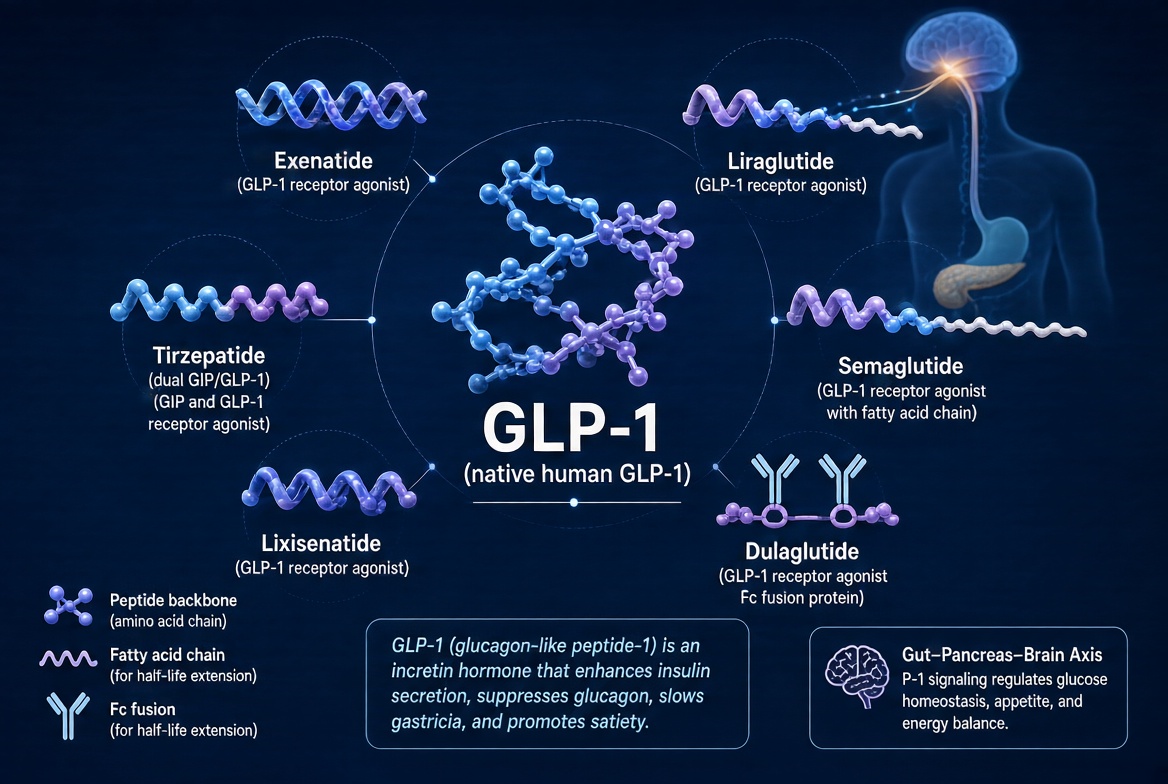
First, GLP-1 stands for glucagon-like peptide-1, a hormone involved in regulating blood glucose and appetite. Consequently, GLP-1 receptor agonists mimic some of this hormone’s effects. They can help the body regulate blood glucose, slow stomach emptying and influence feelings of hunger and fullness.
Moreover, these medicines do not all have identical effects or approved uses. For example, some products primarily support type 2 diabetes management, while others have specific approvals for weight management. Therefore, people should understand the intended use of each medicine before discussing treatment with a healthcare professional.
How Do GLP-1 Medicines Work?
To begin with, GLP-1 medicines act on receptors involved in blood glucose regulation and appetite. As a result, they can support several physiological processes.
- Blood glucose control: These medicines help regulate blood glucose, particularly after meals.
- Appetite regulation: Furthermore, they may reduce hunger and increase feelings of fullness.
- Slower stomach emptying: Additionally, some medicines slow the movement of food from the stomach into the small intestine.
- Weight management: Consequently, some people experience reduced food intake and clinically meaningful weight loss when treatment is appropriate.
Nevertheless, individual responses differ. Therefore, a qualified healthcare professional should assess potential benefits, risks and other treatment options.
Which GLP-1 Treatment Options Are Available in Australia?
When researching GLP-1 treatment options in Australia, it is important to distinguish active ingredients, brand names and approved indications. The following examples illustrate some medicines used in Australian clinical practice.
Semaglutide
First, semaglutide is an active ingredient found in products including Ozempic and Wegovy. However, these brands have different approved uses and should not be treated as interchangeable simply because they contain the same active ingredient.
For example, Ozempic is registered for specified uses in type 2 diabetes, while Wegovy has an approved role in weight management for eligible patients. Accordingly, the appropriate product depends on the person’s health needs and the applicable prescribing criteria.
Tirzepatide
Similarly, tirzepatide, marketed as Mounjaro, acts on both GIP and GLP-1 receptors. It has approved uses that include type 2 diabetes treatment and weight management in eligible patients. However, the indication, suitability and prescribing requirements must be assessed individually.
Dulaglutide and Liraglutide
Additionally, dulaglutide and liraglutide belong to the broader group of medicines acting on GLP-1 receptors. Their approved uses, dosing schedules and suitability differ. Therefore, patients should consult current product information rather than assume that every medicine in this category offers the same benefits.
For the latest Australian registration information, consult the Therapeutic Goods Administration (TGA).
GLP-1 Prescription Eligibility in Australia
Before considering treatment, a person needs an assessment by an appropriately qualified healthcare professional. Importantly, GLP-1 prescription eligibility in Australia depends on the specific medicine, its approved indication, the patient’s medical history and relevant clinical criteria.
For instance, a clinician may consider a person’s diagnosis, body mass index where relevant, existing conditions, current medicines and previous treatment responses. Furthermore, they may assess pregnancy considerations, gastrointestinal conditions and other factors that could affect safety.
However, meeting a general weight or diabetes criterion does not automatically guarantee a prescription. Instead, the prescriber must determine whether the treatment is clinically appropriate for that individual.
How to Find Reliable GLP-1 Information in Australia
If you want to understand glp 1 australia and available treatment pathways, start with authoritative sources rather than social media promotions or unverified online sellers.
- Consult your GP: First, discuss your health goals, symptoms, medical history and available treatment options.
- Check TGA information: Next, review registered indications and official medicine safety information.
- Review PBS listings: Additionally, check whether a medicine is subsidised for your specific condition and whether restrictions apply.
- Speak with a pharmacist: Finally, ask about dispensing, safe medicine handling, storage and potential interactions.
For official medicine listings and subsidy information, visit the Pharmaceutical Benefits Scheme (PBS). Meanwhile, the Healthdirect Australia website provides general health information to help readers prepare for medical consultations.
What Are the Potential Side Effects of GLP-1 Medicines?
Although these medicines can offer clinical benefits, they may also cause side effects. Common effects include nausea, vomiting, diarrhoea, constipation and abdominal discomfort. Moreover, symptoms may occur when treatment begins or when a clinician increases the dose.
However, more serious complications can occur in some patients. These may include pancreatitis, gallbladder problems and dehydration associated with persistent gastrointestinal symptoms. In addition, the risk of low blood glucose can increase when certain diabetes medicines are used alongside GLP-1 treatments.
Therefore, patients should discuss warning signs and their individual risk factors with their healthcare professional. Seek urgent medical assessment for severe or persistent abdominal pain, particularly when accompanied by vomiting. Furthermore, do not change a prescribed dose or stop treatment without appropriate medical advice, unless emergency services or a clinician instruct you otherwise.
How Much Do GLP-1 Medicines Cost in Australia?
The cost of treatment depends on the medicine, prescribed indication, dispensing arrangements and eligibility for government subsidy. Consequently, there is no single price that applies to every patient.
For eligible patients, the Pharmaceutical Benefits Scheme may subsidise particular medicines when its listing criteria are met. However, PBS access for one condition does not mean that the same medicine receives a subsidy for another condition.
For example, a patient receiving a medicine for an approved diabetes indication may face different costs from someone seeking treatment for weight management. Therefore, check the current PBS Schedule and ask your pharmacist about the applicable patient contribution before making financial decisions.
Are Online GLP-1 Products Safe in Australia?
When searching online, be cautious of websites that promise guaranteed weight loss, offer prescription medicines without appropriate assessment or sell products with unclear origins. In particular, unregistered GLP-1 products may contain incorrect ingredients, contaminants or misleading labels.
Additionally, prescription-only medicines such as semaglutide and tirzepatide cannot be advertised directly to the Australian public under ordinary consumer advertising rules. Businesses publishing content about these treatments should therefore review applicable TGA requirements before publishing promotional claims, testimonials or calls to purchase.
For more information, read the TGA’s guidance on advertising GLP-1 receptor agonists.
Frequently Asked Questions About GLP-1 Australia
Are GLP-1 medicines available in Australia?
Yes, several GLP-1 medicines are registered for specified uses in Australia. However, availability, approved indications and prescribing requirements vary by product. Therefore, check current TGA information and consult a healthcare professional.
Can GLP-1 medicines help with weight management?
Yes, certain medicines have approved indications for weight management in eligible patients. Nevertheless, results vary, and treatment generally requires clinical supervision alongside appropriate nutritional, behavioural and lifestyle support.
Can anyone obtain a GLP-1 prescription?
No. These are prescription-only medicines, so an appropriately qualified prescriber must assess suitability. Moreover, eligibility depends on the medicine, its approved indication and individual clinical circumstances.
Does Medicare or the PBS cover GLP-1 treatment?
Coverage depends on the medicine and the condition being treated. Therefore, check the current PBS Schedule and its restrictions rather than assume that all GLP-1 treatments receive a subsidy.
Where can I find trustworthy information about GLP-1 medicines?
Start with the TGA, PBS, Healthdirect Australia and your healthcare professional. Together, these resources can help you verify medicine registration, understand subsidy requirements and prepare questions about treatment.
Final Thoughts on GLP-1 Australia
Ultimately, understanding glp 1 australia requires more than comparing medicine names or reading online weight-loss claims. Instead, focus on approved uses, clinical suitability, potential side effects and reliable access to care. By consulting official Australian health resources and discussing your circumstances with a qualified professional, you can make better-informed decisions about GLP-1 medicines and your health.
Medical information disclaimer: This article provides general educational information only and does not replace individual medical advice. Medicine approvals, PBS restrictions and availability can change. Always consult current official information and a qualified healthcare professional.