
glp 1: How It Works, Benefits and Safety in Australia

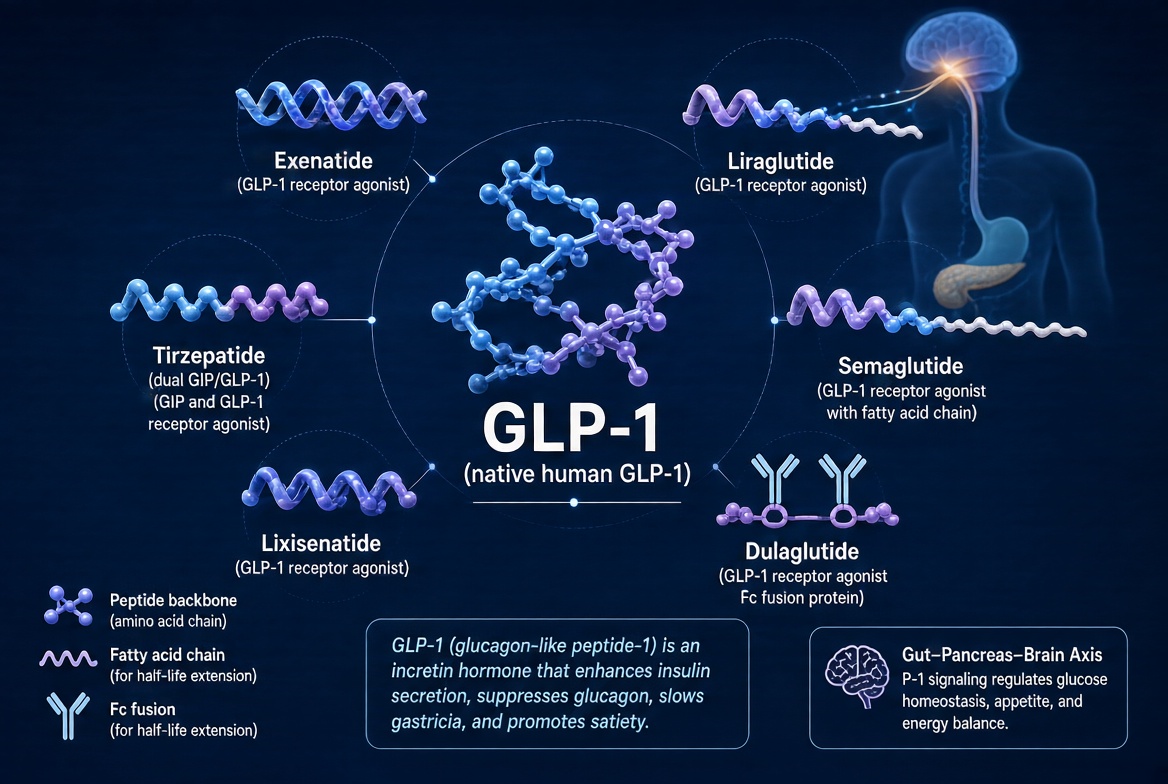
glp 1 is a common search term for glucagon-like peptide-1, a hormone your gut releases after eating. However, people also use this term when discussing prescription medicines for diabetes or weight management. Therefore, understanding the difference helps you assess treatment claims and prepare useful questions for your GP.
What is glucagon-like peptide-1?
First, glucagon-like peptide-1 helps your body manage blood glucose after meals. Specifically, it encourages insulin release when blood glucose rises. In addition, it reduces glucagon, a hormone that tells your liver to release glucose. Consequently, these actions help regulate blood glucose rather than simply suppressing hunger.
However, your body breaks down its natural GLP-1 hormone quickly. By contrast, medicines that activate the same receptor generally act for longer. Therefore, a naturally occurring hormone and a prescribed medicine are not interchangeable. Similarly, a supplement claiming to support this pathway does not automatically offer equivalent benefits.
How does the GLP-1 hormone work?
Moreover, the GLP-1 hormone influences appetite signals and slows stomach emptying. As a result, some people feel fuller sooner or stay satisfied longer. However, responses vary, and appetite changes do not establish whether treatment suits you. Therefore, your clinician considers your overall health rather than hunger alone.
Which GLP-1 medicines are available in Australia?
For example, some GLP-1 medicines contain semaglutide or liraglutide. However, brand names, approved uses and dosing schedules differ. Specifically, Ozempic and Wegovy both contain semaglutide, but their approved uses differ. Therefore, do not assume that products containing the same ingredient offer identical treatment plans.
Meanwhile, tirzepatide acts on both GIP and GLP-1 receptors. Consequently, calling every medicine a single-action GLP-1 receptor agonist misses an important distinction. Before starting GLP-1 treatment, ask your prescriber to explain the exact product and its approved indication. Also, check current Australian product information rather than relying on overseas advertising.
What can glp 1 treatment achieve?
For suitable patients, glp 1 medicines can help manage type 2 diabetes or support weight management. However, the expected benefit depends on the medicine, its indication and individual circumstances. Moreover, results vary with treatment duration, tolerability and ongoing support. Therefore, avoid promises of guaranteed weight loss or a specific clothing size.
In addition, GLP-1 treatment usually forms part of a broader care plan. For example, that plan may include nutrition advice, physical activity and regular follow-up. However, medicine does not replace attention to sleep, wellbeing or other health conditions. Instead, agree on realistic goals and review progress with your clinician.
Importantly, people commonly regain weight after stopping GLP-1 medicines used for weight management. Therefore, discuss long-term care and affordability before starting treatment.
What are common glp 1 side effects?
Commonly, GLP-1 medicines can cause nausea, vomiting, diarrhoea or constipation. In addition, some people experience abdominal discomfort. However, symptom severity differs between people and products. Therefore, tell your prescriber about persistent symptoms rather than changing your dose independently.
Meanwhile, repeated vomiting or diarrhoea can cause dehydration. Consequently, seek medical advice if you cannot keep fluids down. Also, ask about low blood glucose if your GLP-1 treatment accompanies insulin or certain other diabetes medicines. Importantly, your clinician can explain which risks apply to your combination.
Who should seek personalised advice?
Before considering GLP-1 treatment, discuss your medical history and all medicines with your clinician. In particular, mention pregnancy, breastfeeding or plans to conceive. Also, disclose previous pancreatitis, gallbladder problems and significant digestive symptoms. Furthermore, tell your surgical team about treatment before procedures involving anaesthesia or sedation.
Because suitability differs, someone else’s prescription cannot establish whether GLP-1 medicines suit you. Similarly, online questionnaires cannot replace every aspect of clinical assessment. Therefore, choose a service that provides appropriate assessment, clear prescribing information and continuing care. Moreover, ask who will manage side effects between appointments.
When should you get urgent help?
Importantly, severe or persistent abdominal pain during GLP-1 treatment needs urgent medical assessment, especially with vomiting. Likewise, persistent vomiting or signs of dehydration warrant prompt advice. If you develop breathing difficulties or collapse, call triple zero immediately. Therefore, keep your medicine details available when seeking help.
Where can you find trustworthy information?
First, visit Healthdirect for an Australian overview of GLP-1 medicines. Next, check the Therapeutic Goods Administration for safety alerts and medicine information. Also, read your product’s Consumer Medicine Information leaflet with your pharmacist. Together, these resources help you distinguish verified guidance from testimonials and promotional claims.
However, glp 1 searches can also lead to unverified sellers and misleading offers. Therefore, use a legitimate Australian pharmacy and a valid prescription. Furthermore, avoid products advertised as prescription-free substitutes for GLP-1 treatment. Before purchasing, ask your pharmacist to check the product, supplier and current regulatory advice.
What should you ask at your appointment?
Finally, ask whether GLP-1 treatment addresses your diagnosed condition and personal health goals. Next, discuss likely benefits, common risks, follow-up appointments and total costs. Also, ask what to do after a missed dose or troublesome symptoms. Before leaving, clarify how your clinician will review progress and adjust your care.
Ultimately, understanding the GLP-1 hormone helps you approach medicine discussions with clearer expectations. Therefore, use reliable Australian resources, then book an appointment with your regular GP or treating clinician. However, treat this article as general information, not a diagnosis or personalised prescribing advice.