1 glp guide to understanding metabolic hormone functions

Understanding the essential role of 1 glp in metabolic health
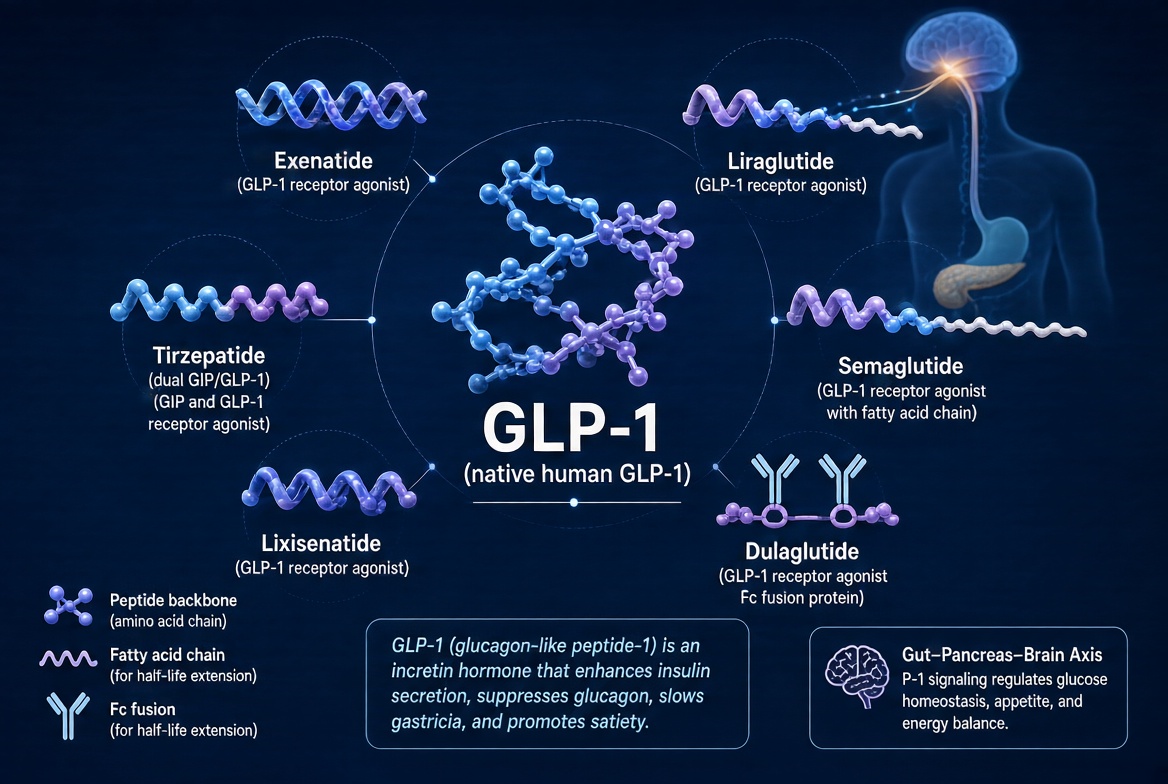
Furthermore, understanding how 1 glp works within your gastrointestinal system is essential for maintaining optimal metabolic health. Consequently, many Australians are actively researching how this natural gut hormone influences daily appetite and insulin balance. Moreover, when you consume meals, your intestine releases this vital incretin gut peptide into the bloodstream to assist with nutrient processing. However, the biological actions of 1 glp extend far beyond simple digestion, as it directly signals the central nervous system to quieten persistent food cravings. Therefore, exploring glucagon-like peptide 1 mechanisms offers clear insights into achieving sustainable weight management.
                                  ┌────────────────────────┐
                                  │   Nutrient Ingestion   │
                                  └───────────┬────────────┘
                                              │
                                              ▼
                                  ┌────────────────────────┐
                                  │  L-Cells Release 1 glp │
                                  └───────────┬────────────┘
                                              │
                    ┌─────────────────────────┴─────────────────────────┐
                    ▼                                                   ▼
        ┌───────────────────────┐                           ┌───────────────────────┐
        │ Stimulates Insulin    │                           │ Signals CNS to        │
        │ & Suppresses Glucagon │                           │ Slow Gastric Emptying │
        └───────────────────────┘                           └───────────────────────┘
How glucagon-like peptide 1 controls appetite and blood glucose
Additionally, glucagon-like peptide 1 functions as a primary regulator of post-meal blood glucose levels. Thus, as glucose enters your circulation, 1 glp prompts the pancreas to release appropriate amounts of insulin. Meanwhile, this metabolic hormone glp-1 simultaneously inhibits unnecessary glucagon secretion to prevent unwanted liver glucose spikes. Consequently, the natural gut hormone effectively slows down gastric emptying, which allows you to feel satisfied for longer periods after eating. In contrast, reduced activity of this incretin gut peptide can lead to rapid hunger recurrence and glucose fluctuations.
Dietary strategies to support your natural gut hormone naturally
Furthermore, specific dietary choices can significantly stimulate your natural gut hormone production without requiring immediate clinical interventions. Specifically, consuming high-protein foods, soluble fibres, and healthy fats encourages L-cells in the lower gut to release 1 glp naturally. Moreover, daily intake of hydrolyzed collagen peptides and fermented foods helps preserve glucagon-like peptide 1 stability in the digestive tract. Likewise, regular exercise enhances tissue sensitivity to this crucial metabolic hormone glp-1, reinforcing overall energy balance. Therefore, combining nutrient-dense diets with physical activity supports the continuous function of this incretin gut peptide.
| Lifestyle Factor | Target Biological Pathway | Primary Biological Benefit |
| Soluble Dietary Fibre | Intestinal L-Cell Activation | Promotes sustained 1 glp release post-meal. |
| Hydrolyzed Peptides | Enzyme Inhibition | Protects glucagon-like peptide 1 from rapid degradation. |
| Aerobic Exercise | Receptor Sensitivity | Enhances metabolic hormone glp-1 signal transmission. |
| Fermented Foods | Microbiome Modulation | Supports optimal incretin gut peptide synthesis. |
Navigating long-term wellness with incretin gut peptide insights
Additionally, understanding incretin gut peptide pathways empowers individuals to make informed wellness choices tailored to their personal goals. For instance, working alongside healthcare professionals allows Australians to navigate lifestyle changes that naturally boost glucagon-like peptide 1. Moreover, evaluating dietary habits ensures that your body consistently receives the raw nutrients necessary to synthesize this metabolic hormone glp-1. Consequently, prioritizing your natural gut hormone health fosters better metabolic control, enhanced vitality, and sustainable long-term health outcomes.