what is kpv peptide? A Guide to Its Science, Research and Safety

Introduction: What is KPV peptide?
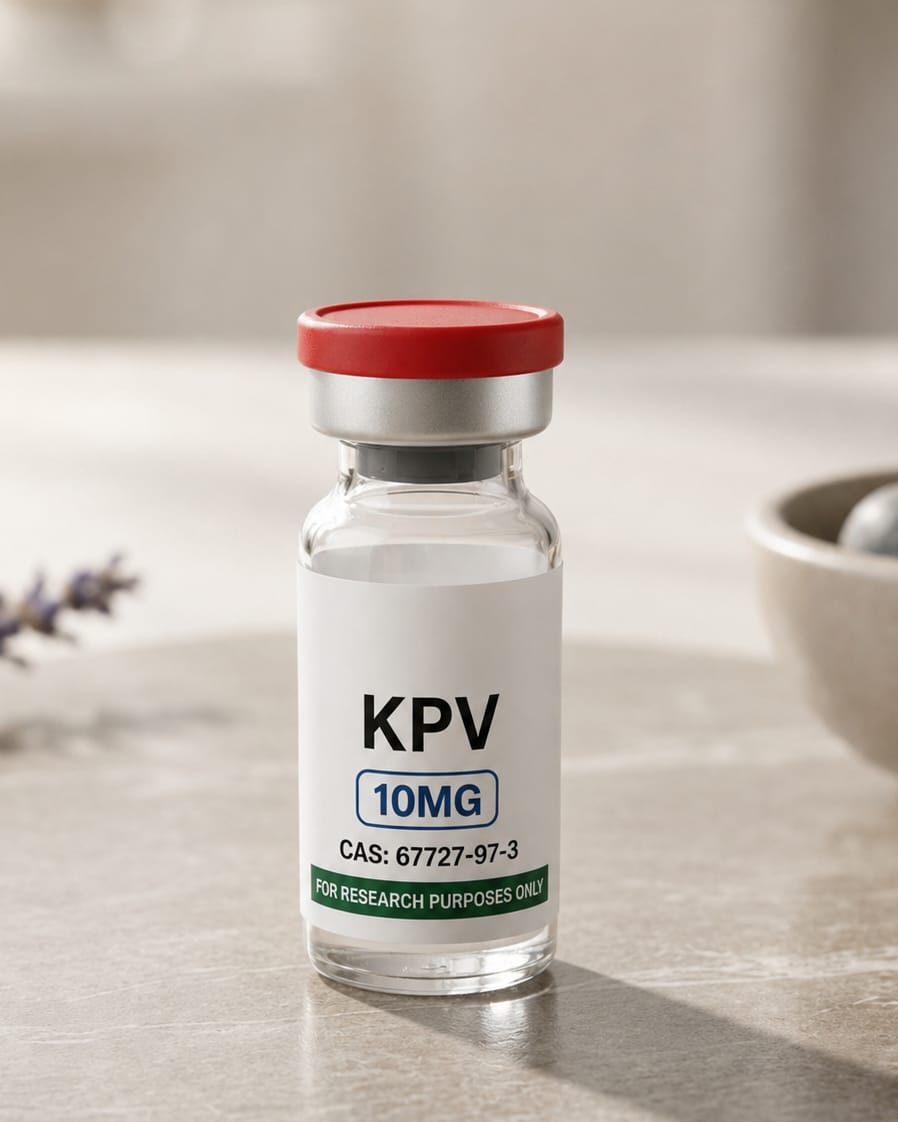
If you have been researching emerging peptides, you may have asked, what is KPV peptide, and why does it attract scientific interest? KPV is a short peptide made up of three amino acids: lysine, proline and valine. Researchers have investigated its potential role in inflammatory processes, particularly in laboratory studies involving the gut and immune responses. However, its proposed benefits require careful interpretation because promising early findings do not establish safety or effectiveness in humans.
In this guide, you will learn about KPV peptide research, its biological background, possible areas of investigation and important safety considerations. Additionally, you will discover how to evaluate scientific information and distinguish established evidence from marketing claims.
What Is KPV Peptide and How Is It Structured?
KPV is a tripeptide, meaning it contains three amino acid residues. Specifically, its name represents lysine (K), proline (P) and valine (V). These amino acids form a small molecular structure that researchers can study in controlled laboratory settings.
Furthermore, KPV is associated with alpha-melanocyte-stimulating hormone (α-MSH), a naturally occurring peptide involved in several physiological processes. KPV corresponds to the final three amino acids of α-MSH. Consequently, researchers have investigated whether this short sequence may influence certain inflammatory pathways.
Nevertheless, a small molecular structure does not automatically make a substance safe. Its effects depend on factors such as biological activity, formulation, exposure and route of administration.
KPV Peptide Benefits and Scientific Research
Discussions about KPV peptide benefits often focus on inflammation. However, it is essential to separate research hypotheses from proven medical outcomes.
1. Inflammation and cellular signalling
First, researchers have examined KPV for its potential influence on inflammatory responses in experimental models. These studies help scientists investigate how a substance interacts with cells and biological signalling pathways.
However, laboratory findings cannot establish that KPV treats inflammatory conditions in people. Further research would be needed to determine whether any effects translate into meaningful clinical benefits.
2. Intestinal inflammation research
Additionally, KPV has attracted research interest in experimental models of intestinal inflammation. Scientists have explored its possible interactions with inflammatory processes in the gut.
Nevertheless, animal and laboratory findings do not prove that KPV can treat inflammatory bowel disease or other digestive disorders. Therefore, people with persistent digestive symptoms should seek assessment from a qualified healthcare professional rather than rely on unapproved peptide products.
3. Immune response investigations
Researchers have also explored possible connections between KPV and immune signalling. Since inflammatory responses involve complex interactions between cells and chemical messengers, further investigation may help clarify the peptide’s biological activity.
Even so, claims that KPV reliably strengthens immunity or prevents disease require robust human evidence. At present, such claims should not be treated as established medical facts.
KPV Peptide Mechanism of Action: What Do Researchers Know?
The KPV peptide mechanism of action remains an area of scientific investigation. Researchers have explored whether the peptide can influence inflammatory signalling in experimental systems.
Moreover, its relationship to α-MSH provides a biological reason to investigate its activity. However, the exact mechanisms, relevant concentrations and potential effects in humans require further clarification.
Importantly, findings from one experimental model may not apply to another. The same substance may also behave differently depending on its formulation and how it enters the body. Therefore, claims about its mechanism should be supported by specific studies rather than general statements about peptides.
What Does Current Evidence Say About KPV Peptide?
When evaluating KPV peptide scientific research, consider the type and quality of evidence behind each claim.
- Laboratory studies: These can identify biological activity and help researchers develop hypotheses.
- Animal studies: These can provide additional information about biological effects, although animals do not respond identically to humans.
- Human clinical trials: These are necessary to assess clinical effectiveness, appropriate use and potential adverse effects in people.
- Regulatory assessments: These establish whether a particular product has been evaluated and authorised for a specific purpose in a given jurisdiction.
Consequently, promising laboratory findings should not be presented as proof of treatment effectiveness. Likewise, testimonials and online reviews cannot replace controlled clinical evidence.
Before accepting a health claim, look for published research, clearly described methods, appropriate comparison groups and independent replication. Also, check whether the evidence concerns KPV itself or a different peptide with different properties.
KPV Peptide Safety: Important Considerations
Although KPV is discussed in scientific and wellness communities, its safety profile for human use is not sufficiently established. In particular, online availability does not demonstrate that a product is safe, effective or appropriately manufactured.
Australia’s Therapeutic Goods Administration (TGA) warns that unapproved peptide products may have uncertain ingredients, inadequate manufacturing controls or sterility problems. Reported risks associated with unapproved peptide products include severe allergic reactions, infections and other serious health complications. Therefore, consumers should approach online claims with caution. TGA safety guidance.
Before considering any peptide-related treatment, speak with a qualified healthcare professional. In addition, do not assume that a product labelled for research use is suitable for human consumption.
Potential side effects and unknowns
Reliable information about KPV-specific adverse effects in humans remains limited. As a result, it is not possible to provide a complete or dependable list of its potential side effects.
Furthermore, product quality can vary between suppliers and batches. Injectable products may carry additional risks, including contamination and injection-related complications. Seek medical attention if you experience concerning symptoms after exposure to an unapproved product.
KPV Peptide in Australia: Regulation and Product Checks
For Australian readers, regulatory status is an important part of understanding KPV peptide. The TGA regulates therapeutic goods according to their composition, intended purpose and applicable legal requirements.
Products that are therapeutic goods generally need inclusion in the Australian Register of Therapeutic Goods (ARTG) before they can be supplied or advertised, unless a specific exemption, approval or authority applies. However, not every peptide product has the same regulatory status.
Therefore, check the official TGA resources before relying on a seller’s claims. A professional-looking website, certificate or product label does not independently establish therapeutic approval.
You can start with the TGA’s guidance on how therapeutic peptide products are regulated. This resource explains relevant requirements for consumers, suppliers and businesses.
How to Evaluate KPV Peptide Information Online
When researching KPV peptide information, use a structured approach to identify reliable sources.
- Check the source: Prefer peer-reviewed research, recognised scientific publications and official regulatory guidance.
- Verify the evidence: Determine whether a claim comes from laboratory research, animal studies or human clinical trials.
- Question exaggerated promises: Be cautious of claims that guarantee healing, rapid recovery or disease prevention.
- Review product details: Unclear ingredients, missing manufacturer information and unsupported purity claims are warning signs.
- Seek professional guidance: A qualified healthcare professional can help interpret evidence in the context of your health needs.
Additionally, compare claims across independent sources instead of relying on a single commercial website. This approach makes it easier to recognise uncertainty and avoid misleading information.
Frequently Asked Questions About KPV Peptide
What is KPV peptide used for?
KPV is primarily discussed in connection with experimental research into inflammation and biological signalling. However, its proposed uses are not equivalent to proven medical indications, and its safety and effectiveness in humans remain insufficiently established.
Is KPV peptide naturally occurring?
KPV is a short amino acid sequence associated with the naturally occurring peptide α-MSH. Nevertheless, this relationship does not establish that commercial KPV products are natural, safe or suitable for human use.
Does KPV peptide reduce inflammation?
Experimental research has investigated potential anti-inflammatory activity. However, further evidence is required before reliable conclusions can be drawn about clinical effects in humans.
Is KPV peptide approved in Australia?
Do not assume that KPV products are approved. Check the product’s specific regulatory status and applicable TGA requirements, since approval depends on the product and its intended use.
Where can I find reliable KPV peptide research?
Start with peer-reviewed scientific literature and official regulatory resources. In addition, check the study design, research limitations and whether the findings have been confirmed in human trials.
Final Thoughts: Understanding KPV Peptide Research
Ultimately, understanding what is KPV peptide requires a balanced view of its biological background, emerging research and unanswered safety questions. Although experimental studies have generated interest in its potential relationship with inflammation, these findings do not establish a proven treatment for human conditions.
Therefore, prioritise credible research, verify regulatory information and consult a qualified healthcare professional before making health-related decisions. By separating scientific evidence from promotional claims, readers can make better-informed decisions about emerging peptide research.