
SAXENDA
Saxenda Australia remains a widely searched topic for adults seeking medical support with weight management. In addition, many people look for clear facts on this once-popular treatment. Therefore, this guide covers key information in plain Australian English.
Understanding liraglutide weight management Australia
First, Saxenda Australia contains the active ingredient liraglutide. Moreover, it belongs to the GLP-1 receptor agonist class. Consequently, it mimics a natural gut hormone that helps control appetite. As a result, users often feel fuller sooner and eat less over time.
Next, the treatment was TGA-registered as an adjunct to a reduced-calorie diet and increased physical activity. Furthermore, it targeted adults with a BMI of 30 or higher, or a BMI of 27–30 with at least one weight-related condition such as hypertension, dyslipidaemia, pre-diabetes or obstructive sleep apnoea.
Saxenda prescription eligibility Australia explained
In practice, a doctor assesses suitability before any prescription. For example, medical history, current medications and overall health form part of the review. Likewise, treatment should stop after 12 weeks at the full dose if weight loss stays under 5 per cent.
Additionally, Saxenda Australia required a valid prescription because it is a Schedule 4 medicine. Thus, only registered practitioners could authorise it. Meanwhile, supply always came through Australian pharmacies under cold-chain conditions.
How Saxenda works Australia in simple terms
Simply put, the medicine acts on brain receptors that regulate hunger. Therefore, it slows stomach emptying and reduces calorie intake. Clinical data showed average weight reductions of around 5–10 per cent when combined with lifestyle changes.
Moreover, dose escalation starts at 0.6 mg daily. Then the dose rises by 0.6 mg each week until the maintenance level of 3.0 mg. This gradual approach helps the body adjust and limits gastrointestinal discomfort.
Practical daily use and storage tips
Users inject the medicine under the skin of the abdomen, thigh or upper arm once each day. In addition, the pre-filled pen must stay refrigerated between 2 °C and 8 °C before first use. After opening, it can remain at room temperature for a limited period according to the product information.
Furthermore, needles are separate and must be disposed of safely in a sharps container. Regular rotation of injection sites also reduces local skin reactions.
Saxenda dosage and side effects Australia overview
Common side effects include nausea, diarrhoea, constipation, vomiting and injection-site reactions. However, these often lessen after the first few weeks. Less frequently, people report headache, fatigue or dizziness.
Importantly, the product carries warnings about possible thyroid C-cell tumours and pancreatitis risk. Therefore, anyone with a personal or family history of medullary thyroid carcinoma or Multiple Endocrine Neoplasia syndrome type 2 should avoid it. Blood-sugar monitoring becomes essential for those also using insulin or sulfonylureas.
Current status of Saxenda Australia
Novo Nordisk discontinued brand Saxenda Australia supply after December 2025. Consequently, remaining stock is limited and the company directs patients toward newer options such as weekly semaglutide products. Generics containing liraglutide have received TGA approval, yet availability and pricing still vary by pharmacy.
Meanwhile, none of these weight-management presentations sit on the PBS. As a result, patients pay the full private price. Typical historical monthly costs ranged from roughly $350 to $600 depending on dose and pharmacy.
Lifestyle foundations that support any plan
Regardless of medication choice, a balanced diet and regular movement remain essential. For instance, focusing on whole foods, adequate protein and consistent activity improves long-term results. Likewise, professional support from a GP, dietitian or accredited exercise physiologist strengthens outcomes.
In addition, sleep quality and stress management play useful roles. Therefore, many clinics now combine medical review with behavioural coaching.
Comparing approaches for informed decisions
Weekly GLP-1 options generally produce greater average weight loss in head-to-head trials. At the same time, oral alternatives and older agents such as orlistat or phentermine remain available for selected patients. Each path carries distinct benefits, costs and monitoring needs.
Hence, an individual discussion with a qualified practitioner is the safest next step. They can review the latest product information, assess personal risks and outline realistic expectations.
Key takeaways for Australian readers
Saxenda Australia once offered a daily injectable option for eligible adults. Today the brand itself is no longer supplied, yet the underlying science and clinical experience still inform conversations about weight management. Always rely on TGA-approved sources and registered health professionals rather than unverified online claims.
If you are exploring medical weight-management pathways, book a consultation with your doctor. They can explain current alternatives, check eligibility and help you build a sustainable plan that suits Australian healthcare settings.
Showing all 3 results
-
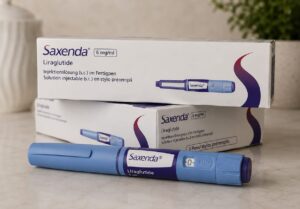
6mg Saxenda Pen
$140.00 -

6mg Saxenda Pen (2pcs)
$240.00 -

6mg Saxenda pen(3pcs)
$375.00