KLOW PEPTIDE
What Is Klow Peptide and Why It Matters
Klow Peptide has quickly become a standout term in peptide research, especially for those exploring advanced recovery and skin rejuvenation strategies. Consequently, many Australians searching for cutting-edge wellness solutions now ask what this blend actually does. In short, this multi-pathway peptide combination brings together four research-grade compounds—BPC-157, TB-500, GHK-Cu and KPV—to target inflammation, tissue repair, collagen production and gut–skin balance simultaneously.
Moreover, the formula differs from single-peptide protocols because it addresses multiple biological pathways at once. Therefore, users often report broader benefits than they would from isolated peptides.
Klow Peptide Benefits Backed by Emerging Research
First, Klow peptide benefits centre on accelerated healing and reduced inflammation. Specifically, BPC-157 and TB-500 support muscle and tendon repair, while GHK-Cu drives dermal regeneration and collagen synthesis. Additionally, KPV adds systemic anti-inflammatory effects, which may help calm both internal and external stressors.
Furthermore, early observational reports suggest improvements in skin texture, wound recovery and overall vitality. However, most human data currently involve topical GHK-Cu rather than the full injectable stack.
Klow Peptide Uses Across Wellness and Aesthetics
Next, consider the diverse Klow peptide uses emerging in clinical and lifestyle settings. For instance, athletes and active individuals use it to hasten soft-tissue recovery after training or injury. Simultaneously, aesthetic practitioners explore its potential for post-procedure skin healing, such as after microneedling or laser treatments.
In addition, some researchers investigate applications for skin repair in cases of chronic inflammation or compromised barrier function. As a result, the blend’s multi-target approach appeals to those seeking holistic cellular support.
How the Blend Supports Skin Repair at the Cellular Level
Importantly, the formula leverages GHK-Cu’s well-documented role in stimulating collagen and elastin production. Meanwhile, BPC-157 and TB-500 enhance angiogenesis and cell migration, which speeds tissue regeneration. Consequently, the skin may appear firmer, smoother and more resilient over time.
Additionally, KPV’s anti-inflammatory action supports the gut–skin axis, potentially reducing breakouts linked to internal inflammation. Thus, the blend offers both topical and systemic advantages.
Klow Peptide Benefits vs Single-Peptide Protocols
By comparison, single-peptide protocols often address only one pathway—such as inflammation or collagen synthesis. In contrast, Klow peptide benefits arise from synergistic interactions among all four components. Therefore, users may experience more comprehensive results, particularly when targeting complex issues like chronic inflammation combined with visible skin ageing.
What Is Klow Peptide Made Of? A Component Breakdown
To clarify what is Klow peptide, examine its four core ingredients. First, BPC-157 promotes gut and soft-tissue healing. Second, TB-500 supports cell migration and tissue remodelling. Third, GHK-Cu drives antioxidant activity and dermal repair. Finally, KPV delivers potent anti-inflammatory signalling.
Klow Peptide Uses in Recovery and Longevity Protocols
Beyond aesthetics, Klow peptide uses extend into longevity and recovery protocols. For example, some clinicians incorporate it into post-surgical care to accelerate wound closure. Likewise, biohackers explore its potential to support cellular energy and metabolic efficiency.
What to Expect from This Peptide Blend
When using this peptide blend for skin repair, users typically monitor changes over weeks rather than days. Initially, they may notice reduced redness and faster healing after minor skin trauma. Subsequently, improvements in fine lines, texture and firmness may emerge with consistent use.
Final Thoughts on Klow Peptide
In summary, Klow Peptide represents a sophisticated, multi-target peptide blend with promising applications in recovery, inflammation control and skin rejuvenation. While more human trials are needed, current evidence and user reports highlight its potential as a next-generation wellness tool.
Showing the single result
-
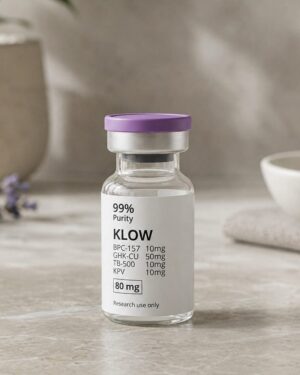
80mg Klow Peptide
$190.00