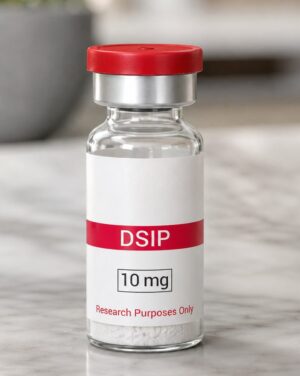
Dsip Peptide: Benefits, Research, Safety & Legal Status in Australia
Dsip peptide is one of the most discussed compounds in the sleep research community today. Originally, scientists identified it in the 1970s while studying sleep regulation in animals. Since then, interest in this small molecule has grown steadily. Therefore, this guide explains what it is, how it works, and what Australians should know. Moreover, it covers the current research, safety concerns, and legal status in plain language.
What Is Dsip Peptide?
Essentially, delta sleep-inducing peptide is a naturally occurring neuropeptide made of nine amino acids. First of all, researchers found it in the brain tissue of rabbits. Afterwards, they linked it to deep, slow-wave sleep. Because of this connection, it earned its memorable name. However, its full role in the human body remains under investigation.
How Does Dsip Peptide Work in the Body?
Notably, Dsip peptide appears to interact with the body’s stress and sleep systems. For instance, studies suggest it may influence cortisol, the primary stress hormone. In addition, researchers believe it may support the release of growth hormone during rest. Consequently, many scientists view it as a modulator rather than a direct sedative. In other words, it may help the body regulate sleep naturally instead of forcing it.
Dsip Peptide Research: What Studies Show
Generally, Dsip peptide research has focused on sleep, stress, and pain response. Early animal studies showed promising effects on sleep depth. Subsequently, small human trials explored its use for insomnia and withdrawal symptoms. Nevertheless, large-scale clinical trials remain limited. As a result, most findings are considered preliminary. Furthermore, results between studies have been inconsistent, so caution is warranted.
Potential Dsip Peptide Benefits
Reported Dsip peptide benefits centre on rest and recovery. For example, users in early studies reported deeper sleep and fewer night-time awakenings. Similarly, some research points to reduced stress responses during the day. Additionally, athletes have shown interest in its possible role in recovery. Even so, these potential benefits are not yet confirmed by major medical bodies. Therefore, readers should treat them as areas of ongoing study.
Dsip for Sleep: What Australians Should Consider
Importantly, using DSIP for sleep is not the same as taking an approved medicine. In Australia, the Therapeutic Goods Administration (TGA) has not approved Dsip peptide for human therapeutic use. Accordingly, it cannot be legally marketed as a sleep treatment here. Moreover, products sold online may vary in purity and quality. For that reason, consulting a qualified GP before considering any peptide is essential.
Safety and Possible Side Effects
To clarify, the long-term safety profile of delta sleep-inducing peptide is not well established. Some study participants reported mild headaches or dizziness. Others, however, reported no adverse effects at all. Because evidence is limited, pregnant women and people with chronic conditions should avoid it entirely. Above all, self-prescribing peptides carries genuine risk.
Legal Status of Dsip Peptide in Australia
In brief, Dsip peptide sits in a regulatory grey zone domestically. Currently, it is not listed as an approved therapeutic substance by the TGA. Consequently, importing or supplying it for human use may breach Australian law. On the other hand, it can be sold for legitimate laboratory research purposes. Hence, understanding these rules protects consumers from legal trouble.
Frequently Asked Questions About Dsip Peptide
Is Dsip peptide legal to buy in Australia? Presently, it is only legal for research purposes, not for personal therapeutic use.
Does Dsip peptide really improve sleep? Although early research is encouraging, conclusive human evidence is still lacking.
Is it the same as a sleeping pill? No. In contrast to sedatives, it is thought to regulate natural sleep processes.
Final Thoughts
In summary, Dsip peptide remains a fascinating subject within sleep science. Undeniably, early findings on rest, stress, and recovery are intriguing. Nevertheless, the research is still young, and Australian regulations are strict. Ultimately, anyone curious about peptide-based approaches should speak with a healthcare professional first. Meanwhile, following future Dsip peptide research will reveal whether this compound lives up to its early promise.